ELECTRONIC INVOICING
E-Invoicing
in Denmark
Format: Peppol

Where are we now?
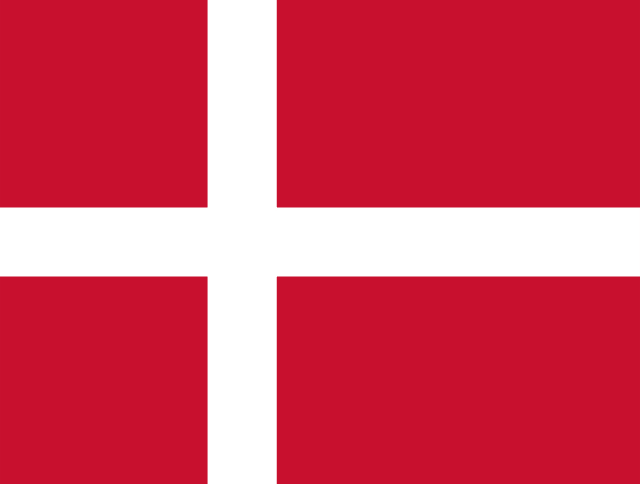
In Denmark, e-invoicing is a well-established and continuously evolving reality, supported by one of the most advanced digital ecosystems in Europe. The country has been a true pioneer in the sector: electronic invoicing has been mandatory for all B2G (Business-to-Government) transactions since 2005, leveraging the NemHandel platform or the Peppolnetwork, with structured formats compliant with the European EN 16931 standard.
Regarding the B2B sector, the Danish model does not yet enforce a general mandate for issuance; however, it introduces a key requirement: all companies must be capable of receiving electronic invoices. This obligation was strengthened by the 2022 Bookkeeping Act, which mandates the use of certified or compliant digital accounting systems capable of managing and transmitting e-invoices via NemHandel or Peppol.
Implementation has followed a phased approach, set to be completed by 2026, gradually involving all businesses meeting specific turnover thresholds. Furthermore, the government is promoting the adoption of e-invoicing as an operational standard, with the ultimate goal of making it the default format for business processes.
From a technological standpoint, Denmark is moving towards an evolution of standards: the national OIOUBL format will be progressively replaced by the new NemHandel BIS 4, based on Peppol and aligned with future European initiatives such as ViDA (VAT in the Digital Age). For businesses, the Danish model is not merely a matter of compliance, but an advanced example of administrative process digitisation, where interoperability, automation, and integration are already a concrete reality.
A-Cube APIs for e-invoicing in Denmark
Where are we now?
In Denmark, e-invoicing is a well-established and continuously evolving reality, supported by one of the most advanced digital ecosystems in Europe. The country has been a true pioneer in the sector: electronic invoicing has been mandatory for all B2G (Business-to-Government) transactions since 2005, leveraging the NemHandel platform or the Peppolnetwork, with structured formats compliant with the European EN 16931 standard.
Regarding the B2B sector, the Danish model does not yet enforce a general mandate for issuance; however, it introduces a key requirement: all companies must be capable of receiving electronic invoices. This obligation was strengthened by the 2022 Bookkeeping Act, which mandates the use of certified or compliant digital accounting systems capable of managing and transmitting e-invoices via NemHandel or Peppol.
Implementation has followed a phased approach, set to be completed by 2026, gradually involving all businesses meeting specific turnover thresholds. Furthermore, the government is promoting the adoption of e-invoicing as an operational standard, with the ultimate goal of making it the default format for business processes.
From a technological standpoint, Denmark is moving towards an evolution of standards: the national OIOUBL format will be progressively replaced by the new NemHandel BIS 4, based on Peppol and aligned with future European initiatives such as ViDA (VAT in the Digital Age). For businesses, the Danish model is not merely a matter of compliance, but an advanced example of administrative process digitisation, where interoperability, automation, and integration are already a concrete reality.
A-Cube APIs for e-invoicing in Denmark
Local regulations, global API.
Every country has its own tax rules — we always have the right API. Our composable technology allows the platform to adapt to local needs, offering individual components or a fully integrated all-in-one solution.












European Union
Mandatory: VIDA from 2028
Local regulations, global API.
Every country has its own tax rules — we always have the right API. Our composable technology allows the platform to adapt to local needs, offering individual components or a fully integrated all-in-one solution.
European Union
Mandatory: VIDA from 2028
Local regulations, global API.
Every country has its own tax rules — we always have the right API. Our composable technology allows the platform to adapt to local needs, offering individual components or a fully integrated all-in-one solution.
European Union
Mandatory: VIDA from 2028