Global coverage
E-invoicing in Poland
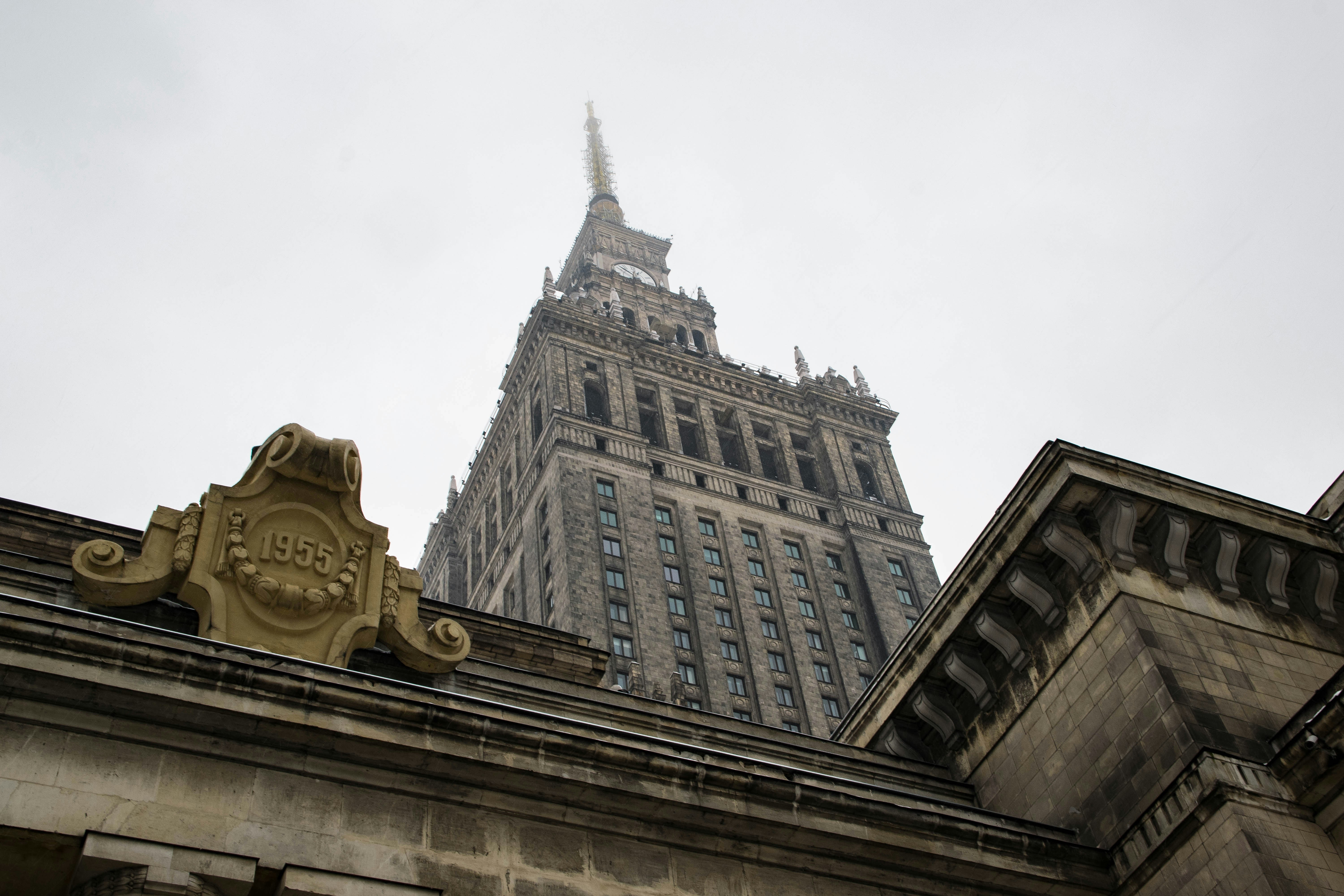
Poland is embracing the shift to digital invoicing, aligning with European standards and preparing for full e-invoicing mandates across both public and private sectors. The country is in the process of modernizing its invoicing systems, enhancing transparency, efficiency, and tax compliance. Here’s an in-depth look at the current and future state of e-invoicing in Poland.
B2G E-Invoicing: Current Requirements and Upcoming Changes
Since the PEF (Platforma Elektronicznego Fakturowania) platform became operational, it has been mandatory for all Polish public administrations to accept electronic invoices. The invoices must be submitted either in the PEPPOL BIS 3.0 UBL format or the Polish-specific variant known as Faktura specjalizowana. The PEF platform is also connected to the PEPPOL network, facilitating cross-border invoicing and standardized document exchange.
However, suppliers can currently send invoices to public entities in paper or PDF formats, provided that a complete audit trail is maintained. This flexibility will change in 2026, as e-invoicing becomes mandatory for all B2G transactions.
Upcoming Mandate for B2G E-Invoicing (2026)
Poland’s government has delayed the full implementation of mandatory e-invoicing for B2G transactions several times, but the final deadline has now been set for 2026, with a phased roll-out:
• February 1, 2026: Mandatory for companies with an annual turnover exceeding 200 million PLN (~46 million EUR)
• April 1, 2026: Mandatory for all other companies dealing with public administrations
Businesses will have the option to submit invoices via two central platforms:
1. PEF platform (in PEPPOL BIS 3.0 format)
2. KSeF (Krajowy System e-Faktur) platform (in the Polish-specific FA(3) XML format)
Both platforms are directly connected to the PEPPOL network, enabling efficient exchange of electronic invoices across borders. Invoices sent through either platform must be archived for a period of 5 years.
B2B E-Invoicing: New Mandates on the Horizon
Currently, Poland does not require e-invoicing for B2B (business-to-business) transactions. Businesses are free to exchange invoices in various formats as long as they maintain an audit trail. Accepted formats include:
• Paper invoices
• PDF invoices
• EDI (Electronic Data Interchange)
However, this flexibility will come to an end in 2026, as Poland introduces mandatory e-invoicing for all B2B transactions.
B2B E-Invoicing Mandate (2026)
Starting in 2026, businesses will be required to send and receive invoices electronically through the KSeF platform. The roll-out will follow a similar timeline to the B2G mandate:
• February 1, 2026: Mandatory for companies with an annual turnover above 200 million PLN
• April 1, 2026: Mandatory for all other companies
Invoices must be submitted in the FA(3) XML format via the KSeF platform, and other formats such as paper, PDF, or EDI will no longer be accepted. This shift is intended to streamline invoicing processes and ensure full compliance with tax regulations.
B2C E-Invoicing: Optional but Encouraged
Although the B2C (business-to-consumer) sector is not subject to mandatory e-invoicing under the new rules, the KSeF platform will be available for B2C transactions. Businesses can use KSeF to send e-invoices to consumers, but paper and PDF formats will remain valid options for B2C transactions. This flexibility allows businesses to continue using traditional formats while gradually moving toward digital solutions.
Benefits of E-Invoicing in Poland
The move toward mandatory e-invoicing in Poland will bring a range of benefits for both businesses and the government:
1. Improved Tax Compliance: By using the KSeF platform, businesses can ensure their invoices are compliant with tax regulations, minimizing the risk of errors or fraud.
2. Increased Efficiency: E-invoicing reduces the time and cost associated with manual invoice processing, allowing businesses to streamline their operations.
3. Faster Payments: With automated invoice processing, businesses can expect faster payments, improving cash flow and financial stability.
4. Cross-Border Compatibility: By adhering to the PEPPOL BIS standard and connecting to the PEPPOL network, businesses can easily exchange invoices with partners across the EU, fostering international trade.
Archiving Requirements
Whether for B2G or B2B transactions, e-invoices must be archived for a minimum of 5 years. This requirement ensures that businesses maintain a complete record of their transactions for auditing purposes and tax reporting.
Future Outlook for E-Invoicing in Poland
As 2026 approaches, businesses in Poland must prepare for the mandatory adoption of e-invoicing for both public and private sector transactions. The introduction of the KSeF platform and the standardized FA(3) XML format will transform the invoicing landscape, creating a more transparent, efficient, and compliant business environment.
While B2B and B2G mandates are the focus of the current e-invoicing rollout, the availability of KSeF for B2C transactions opens the door for further digitalization in consumer-facing industries. Businesses that adopt e-invoicing early can gain a competitive edge by improving their operational efficiency and ensuring compliance with future regulations.
In summary, e-invoicing in Poland is set to become a cornerstone of business operations, driving greater efficiency and transparency in both the public and private sectors. As the 2026 deadline approaches, businesses should begin preparing for the transition to digital invoicing to stay ahead of the curve and fully leverage the benefits of this transformation.